Why Your Brain Is a Bad Manager
Abstract
How to automate recovery so you can stay on the couch.
You are not lazy. You are probably under strain.
That is the part most people miss when they start eating pizza at 11 p.m., rewatching bad television, and scrolling until their eyes hurt. They assume the behavior means the person has lost control. Usually it means something simpler: the brain is trying to keep things steady while stress is high. Under stress, planning and self-control get weaker, and the system starts choosing the cheapest relief instead of the best long-term outcome [1][2].
You are not being lazy; you are trying to get through a difficult stretch. That shift is not a moral failure. It is a state change. When life destabilizes you, the brain stops optimizing for excellence. It focuses on getting through the moment. The result is familiar: sugar becomes louder, passive media becomes magnetic, and effort starts to feel overpriced. The couch begins to look less like avoidance and more like the only place the system can rest without friction.
The transition phase
A transition phase is any period of sustained uncertainty: a breakup, relocation, job loss, family strain, identity shift, financial pressure, or even a positive change that still forces reorganization. What matters is not the label. What matters is the pressure. Stress strains the control system. Executive functions such as working memory, inhibition, and task-switching help a person hold a goal in mind while resisting immediate temptation [1].
Under strain, those tools get noisier and less reliable. That is why people can know exactly what would help and still fail to do it. The reader knows the work should be done. The reader knows sleep would help. The reader knows the salad is better than the fries. None of that matters much if the brain is already busy adapting. This is the transition phase: a period when the system trades precision for preservation.
Why cheap dopamine wins
The phrase “dopamine deficit” is not about pleasure in the shallow sense. It is about how hard it feels to keep going and ignore the easy option. When the brain is taxed by stress, uncertainty, and internal conflict, distant reward matters less and immediate reward matters more. The brain starts preferring what is cheap, predictable, and instantly available.
That is why sugar lands so hard.
Sugar is fast fuel, but it is also fast relief. It changes state quickly without asking the system to solve the larger problem. The same is true of streaming, scrolling, short-form video, and passive repetition. These are the low-level dopamine hits the system reaches for when it can no longer afford expensive effort. They do not require the brain to build, decide, or tolerate uncertainty. They only require it to receive [7][8][9].
In transition, that matters more than usual. The brain is not chasing junk because it has become morally weak. It is reaching for the lowest-friction relief because the higher-order system is expensive and underpowered. Under those conditions, the system does not ask, “What is best?” It asks, “What can keep me stable right now?”
Why trash TV feels right
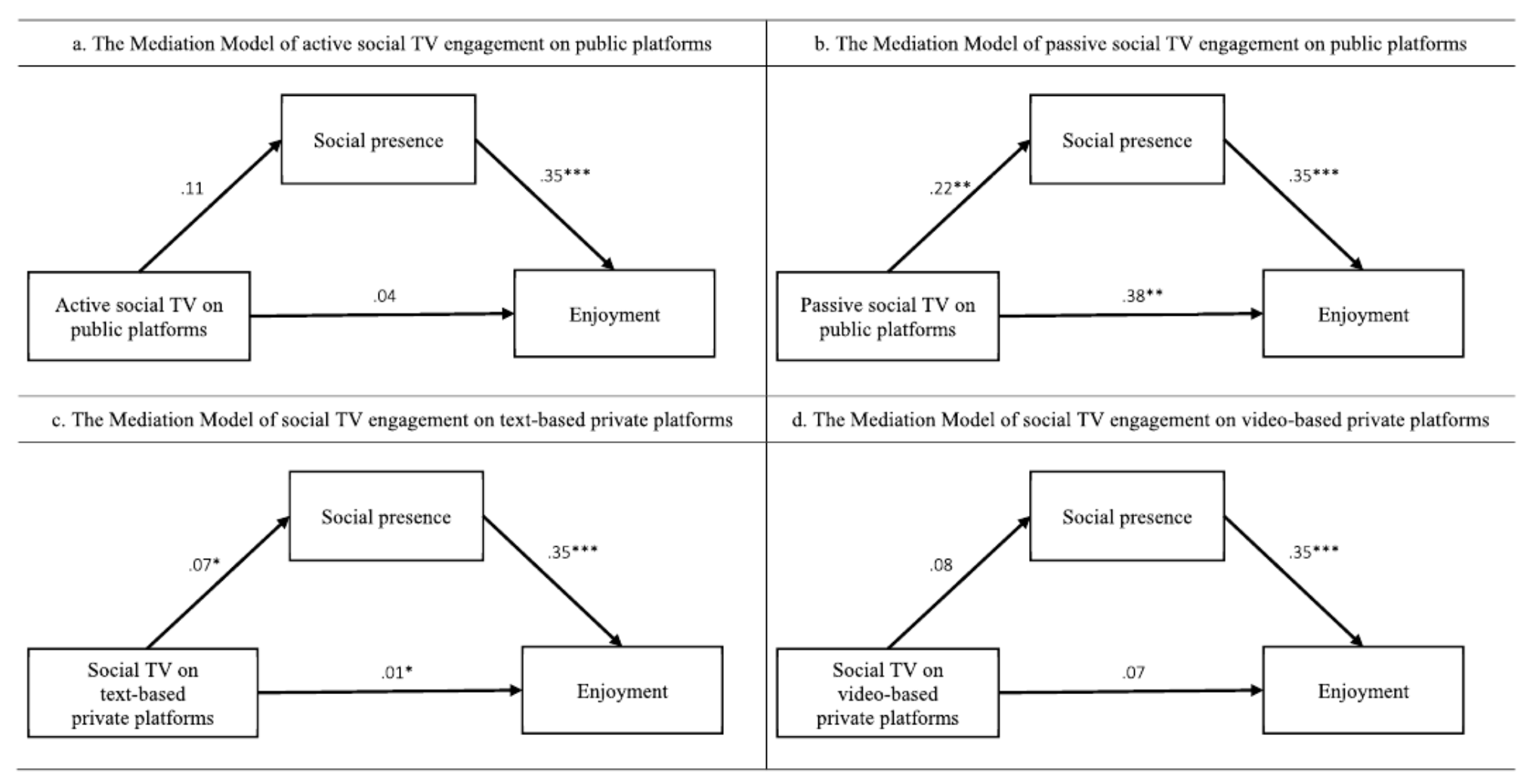
People mock trash TV as if the appeal were just low taste. That misses the function. Passive media is useful when internal noise is expensive. If the mind is already crowded with uncertainty, regret, or future pressure, a predictable show can make being awake feel cheaper. It occupies attention without demanding agency. It interrupts rumination without requiring a real decision [8].
That is also why social TV works so well during isolation. When physical life contracts, media can simulate companionship. Social presence, even through screens and chat, makes the experience feel less lonely and less abstract [8]. The content itself is not the whole reward. The reward is the temporary feeling that you are not alone in the room with your own thoughts.
It helps in the moment. It does not last.
What the behavior is really doing
This is where the moral story breaks. The behavior is not proof of laziness. It is not proof of failure. It is not proof that the person secretly loves collapse. It is proof that the system is choosing cheap stabilization over expensive effort.
That distinction matters because shame makes the strain worse. If the brain is already running hot, self-attack only increases the burden. A better frame is not “How do I force myself to perform?” It is “What is the system buying with these cheap inputs, and why does that price still make sense?” That question is the real one.
The hidden loop
Research on coping during crisis points shows a simple split: some responses face the problem, and some turn away from it. Planning, problem-solving, and staying present help [4][5][6]. Blaming, avoidance, denial, and substance use do not. Under stress, people either lean in or back away. The brain turns away when dealing with the problem feels too hard. That is why control matters. Better control makes stress easier to handle [3].
For example, if someone has to answer an email, make a call, or finish a small task while already stressed, stronger control helps them stay with it instead of reaching for a snack or a screen. Self-regulation is not a personality extra; it is part of how the brain keeps choices clear [1][2]. When it drops, cheap relief starts looking better.
That is also why gaming disorder, mobile overuse, and digital addiction cluster so tightly with boredom, loneliness, depression, and weak emotion regulation [7][9][10]. The reward is not just the content. The reward is the break from the internal state that made the content attractive in the first place.
The loop is simple:
- stress rises
- control drops
- cheap reward looks better
- the reward briefly stabilizes the system
- the system becomes more dependent on the same cheap reward next time
That is not about who the person is. It is about what keeps getting rewarded.
Why automation is the right word
This is also why “automate recovery” is the right framing. If the brain is a bad manager under strain, the solution is not to keep handing it more management tasks. The solution is to make one decision, close the question, and stop reopening it. That is the logic behind digital wellbeing tools, low-burden instruction, and other support systems that shift effort away from the user [7][11][13].
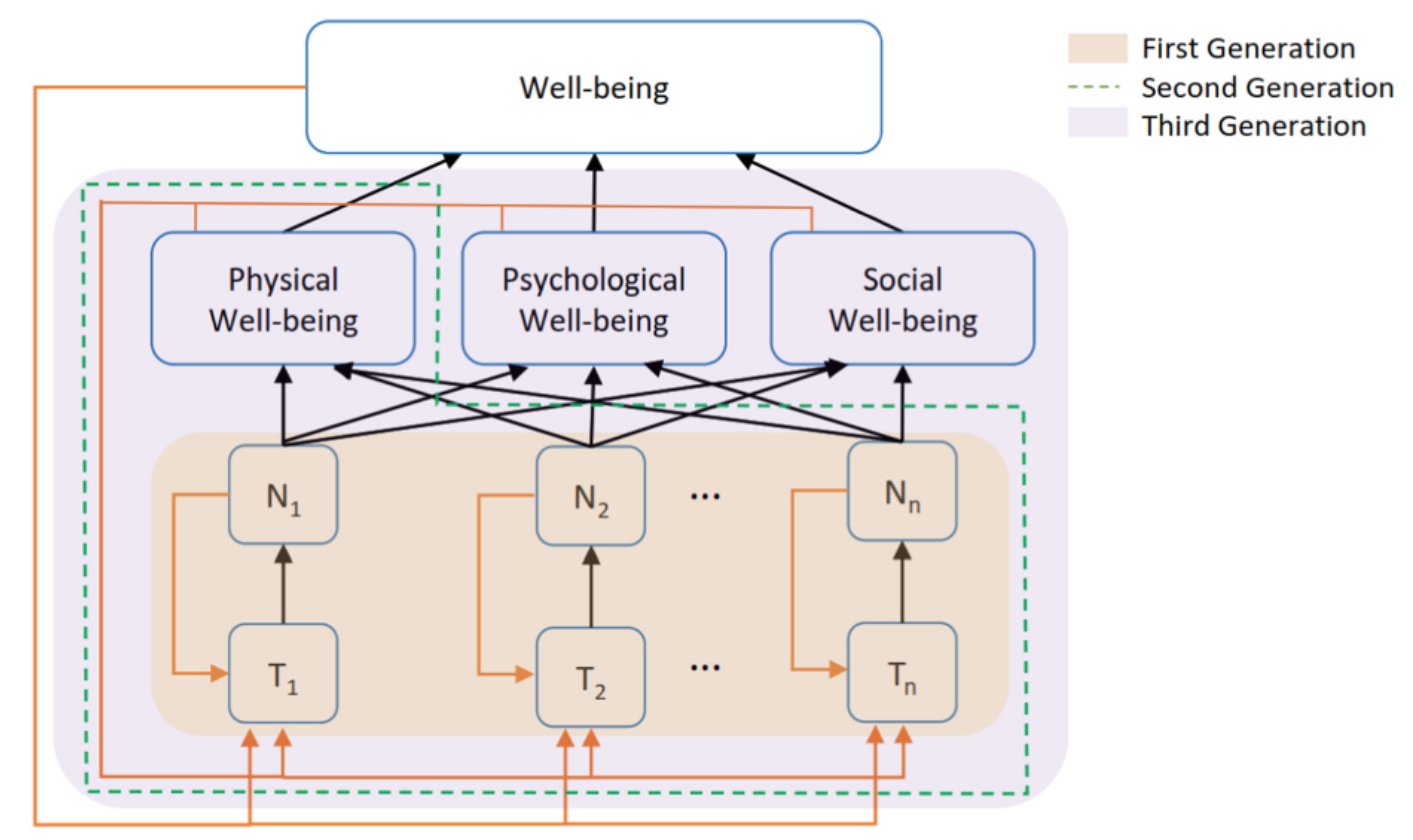
The best tools do not moralize. They absorb friction. That is the same principle behind well-being-centered design. Modern technology often wins on use and convenience while quietly degrading resilience, self-control, and problem-solving [12]. A simple example is an app that pauses by default, stops autoplay, and lets you close it without a fight once you have had enough.
A better design standard is not “How do we keep people engaged?” It is “How do we keep the human system from being overrun?” For example:
- no autoplay
- no infinite scroll
- a clear stopping point after one episode or one session
- a daily limit that actually stops the app
- one-tap exit, not a maze of prompts
That question applies to screens, apps, and habits alike.
The body is not separate from the problem
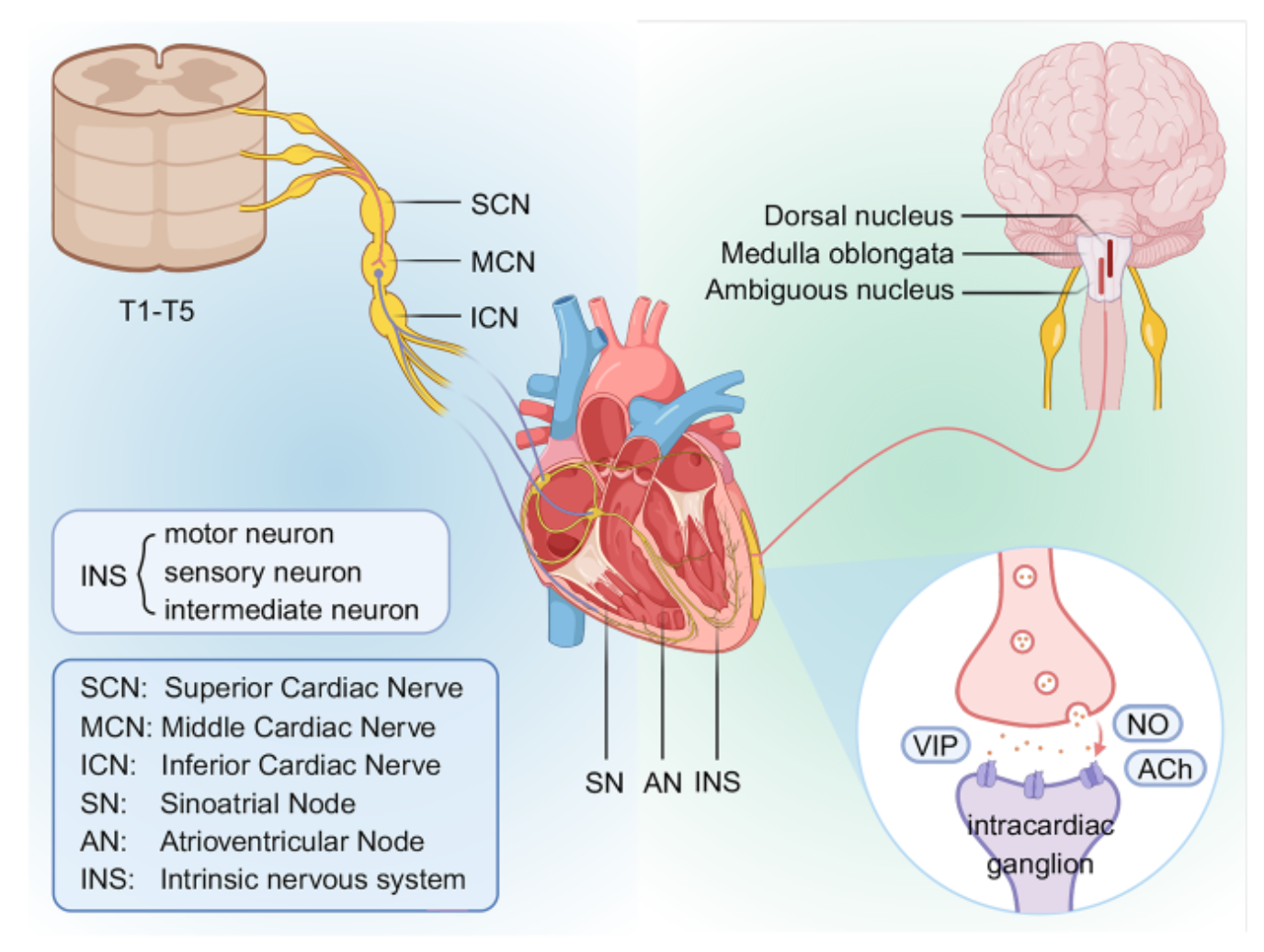
The transition phase also has a physiological side. The body reacts to chronic strain. Stress makes people more tense, more distracted, and less regulated. Resilience softens that impact [14]. The vagus nerve matters here because it helps the body settle back down, which makes it easier for the brain to think clearly again [15][16].
This does not mean the answer is a gadget or a miracle intervention. It means the brain is not a pure willpower machine. It is a biological system that spends resources, calms down, and tries to preserve itself when the environment gets unstable [15][16]. That is why the couch can be correct.
Not ideal. Not permanent. Correct for the state.
The question underneath the question
At this point the reader usually understands the behavior serves a purpose. That is still not enough to explain why the reader keeps reaching for those things. The next question is sharper: If strain and maintenance mode are the real explanation, why does the reader still keep reaching for sugar, scrolling, or the couch?
That is the real attachment. Not just relief. Not just pleasure. Not just control. Something in the old reward still feels like it protects the reader from something worse: boredom, tension, loneliness, pressure, or the demand to keep pushing. That is why it survives shame. That is why it survives logic. That is why the same behavior can feel embarrassing and necessary at the same time. The excuse is not the whole story. The thing being defended is the relief itself.
If the medical excuse falls away, what still feels worth defending?
What this proves
The article is not trying to defend indulgence. It is trying to show that when the brain is under strain, cheap relief beats hard effort, so sugar, scrolling, and the couch start to feel necessary. The usual story about discipline fails because this is not mainly a character problem. It is a control problem.
The answer is not to keep negotiating with the urge. The answer is to make one decision, close the question, and stop putting yourself back in the position of deciding again. Once that is done, the behavior has less room to argue for itself.
What to do:
- Decide once that the behavior is over.
- Remove the easy paths back in: autoplay, endless scroll, push alerts.
- Make the next good move obvious: water, food, sleep, one clear task.
- Do not reopen the question when you feel bored, tense, or tired.
- Use the couch for rest, not for permission.
- Use the quiz if you want to see what the old reward was protecting.
The real question is not what the behavior meant. The real question is what it was protecting before the excuse fell away.
References
[1] W. Hofmann, B. J. Schmeichel, and A. D. Baddeley, “Executive functions and self-regulation,” Trends Cogn. Sci., vol. 16, no. 3, pp. 174–180, 2012.
[2] D. Groß, “In the self-control and self-regulation maze: Integration and importance,” Pers. Individ. Differ., vol. 175, 2021, Art. no. 110728.
[3] S. S. Khoo, W. X. Toh, and H. Yang, “Seeking control during uncontrollable times: Control abilities and religiosity predict stress during COVID-19,” Pers. Individ. Differ., vol. 175, 2021, Art. no. 110675.
[4] A. Göttmann and M. N. Bechtoldt, “Coping with COVID-19 - Longitudinal analysis of coping strategies and the role of trait mindfulness in mental well-being,” Pers. Individ. Differ., vol. 175, 2021, Art. no. 110695.
[5] M. Jarego, F. Pimenta, J. Pais-Ribeiro, R. M. Costa, I. Patrão, L. Coelho, and A. Ferreira-Valente, “Do coping responses predict better/poorer mental health in Portuguese adults during Portugal’s national lockdown associated with the COVID-19?,” Pers. Individ. Differ., vol. 175, 2021, Art. no. 110698.
[6] B. Margetić, T. Peraica, K. Stojanović, and D. Ivanec, “Predictors of emotional distress during the COVID-19 pandemic; a Croatian study,” Pers. Individ. Differ., vol. 175, 2021, Art. no. 110691.
[7] M. B. Almourad, A. Alrobai, T. Skinner, M. Hussain, and R. Ali, “Digital wellbeing tools through users lens,” Technol. Soc., vol. 67, 2021, Art. no. 101778.
[8] J. Kim, K. Merrill Jr., C. Collins, and H. Yang, “Social TV viewing during the COVID-19 lockdown: The mediating role of social presence,” Technol. Soc., vol. 67, 2021, Art. no. 101733.
[9] A. Tyagi, A. K. Prasad, and D. Bhatia, “Effects of excessive use of mobile phone technology in India on human health during COVID-19 lockdown,” Technol. Soc., vol. 67, 2021, Art. no. 101762.
[10] L. Li, Z. Niu, M. D. Griffiths, W. Wang, C. Chang, and S. Mei, “A network perspective on the relationship between gaming disorder, depression, alexithymia, boredom, and loneliness among a sample of Chinese university students,” Technol. Soc., vol. 67, 2021, Art. no. 101740.
[11] A. J. Martin, P. Ginns, J. Pearson, R. Kennett, and E. C. Burns, “The role of load reduction instruction in assisting students with weak mental imagery,” Learn. Individ. Differ., vol. 128, 2026, Art. no. 102913.
[12] M. Kafaee, Z. Ansarian, M. Taqavi, and S. Heidari, “Design for well-being: The fourth generation of technology development,” Technol. Soc., vol. 67, 2021, Art. no. 101775.
[13] B. A. Clough and L. M. Casey, “Technological adjuncts to increase adherence to therapy: A review,” Clin. Psychol. Rev., vol. 31, pp. 697–710, 2011.
[14] T. Kubo, D. Sugawara, and A. Masuyama, “The effect of ego-resiliency and COVID-19-related stress on mental health among the Japanese population,” Pers. Individ. Differ., vol. 175, 2021, Art. no. 110702.
[15] H. Wang, X. Zhang, X. Li, J. Xing, Y. Wang, and S. Mao, “The mechanism and clinical research of vagus nerve electrical stimulation in the treatment of myocardial ischemia-reperfusion injury,” iScience, vol. 29, 2026, Art. no. 114657.
[16] M. Mückschel, J. Mayer, B. Hommel, and C. Beste, “Auricular transcutaneous vagus nerve stimulation alters directed cortical communication during intentional actions,” iScience, vol. 29, 2026, Art. no. 114571.